Inspection
We look at how much wood is left above the tongue. If the floor has been sanded to the limit, we say so straight away.
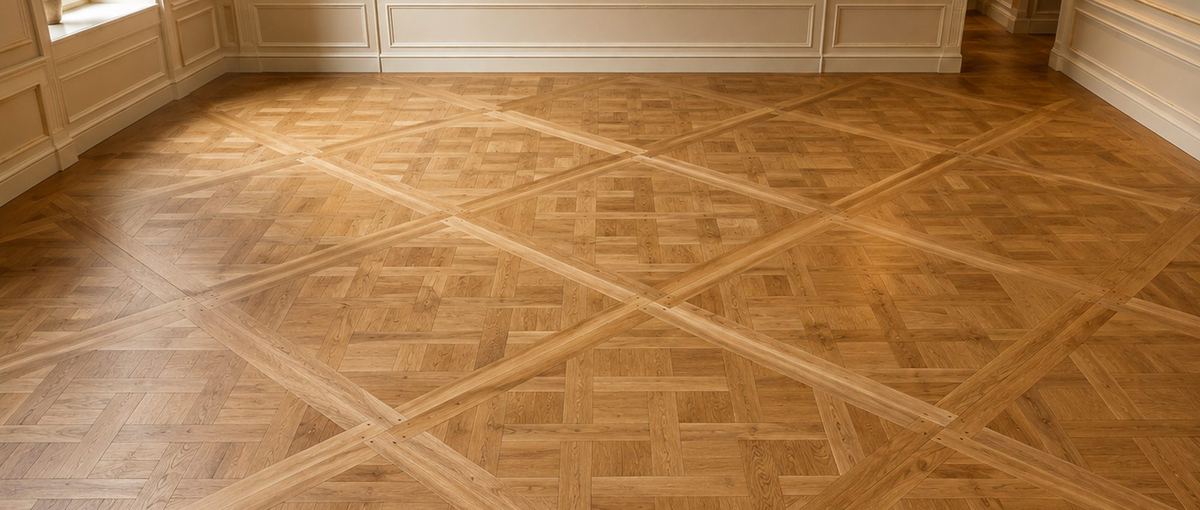
Old oak carries a character a new floor takes generations to earn. We give it back its natural beauty and protect it with a new finish that will last for decades to come.
Why us…
Old timber holds a value that time only deepens. Give it back its original beauty and it can be part of your home for decades more.
Floors from the 1920s are made of slow-grown timber with dense rings. Today that is expensive and hard to buy. Before you throw it out, let us take a look — often sanding and a new finish is all it needs.
From our workshop
From sanding the original parquet through a new subfloor to the oil
that gives the floor back its colour and protection.
We look at how much wood is left above the tongue. If the floor has been sanded to the limit, we say so straight away.
Priced by area, condition and how many boards will be replaced.
The old lacquer comes off and the height differences are levelled. The noisiest part, one or two days.
Missing boards are replaced, joints filled and the floor sanded to final.
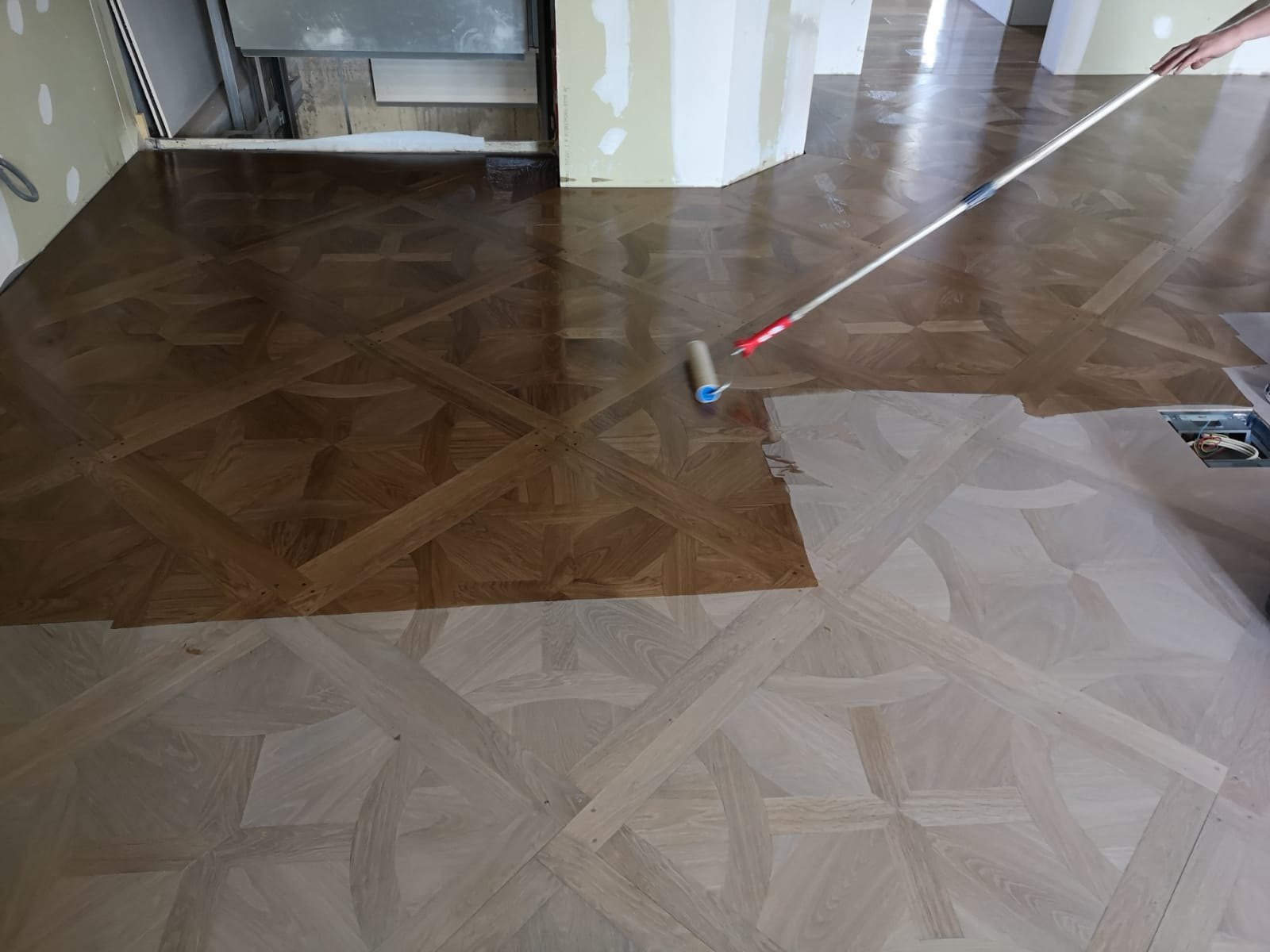
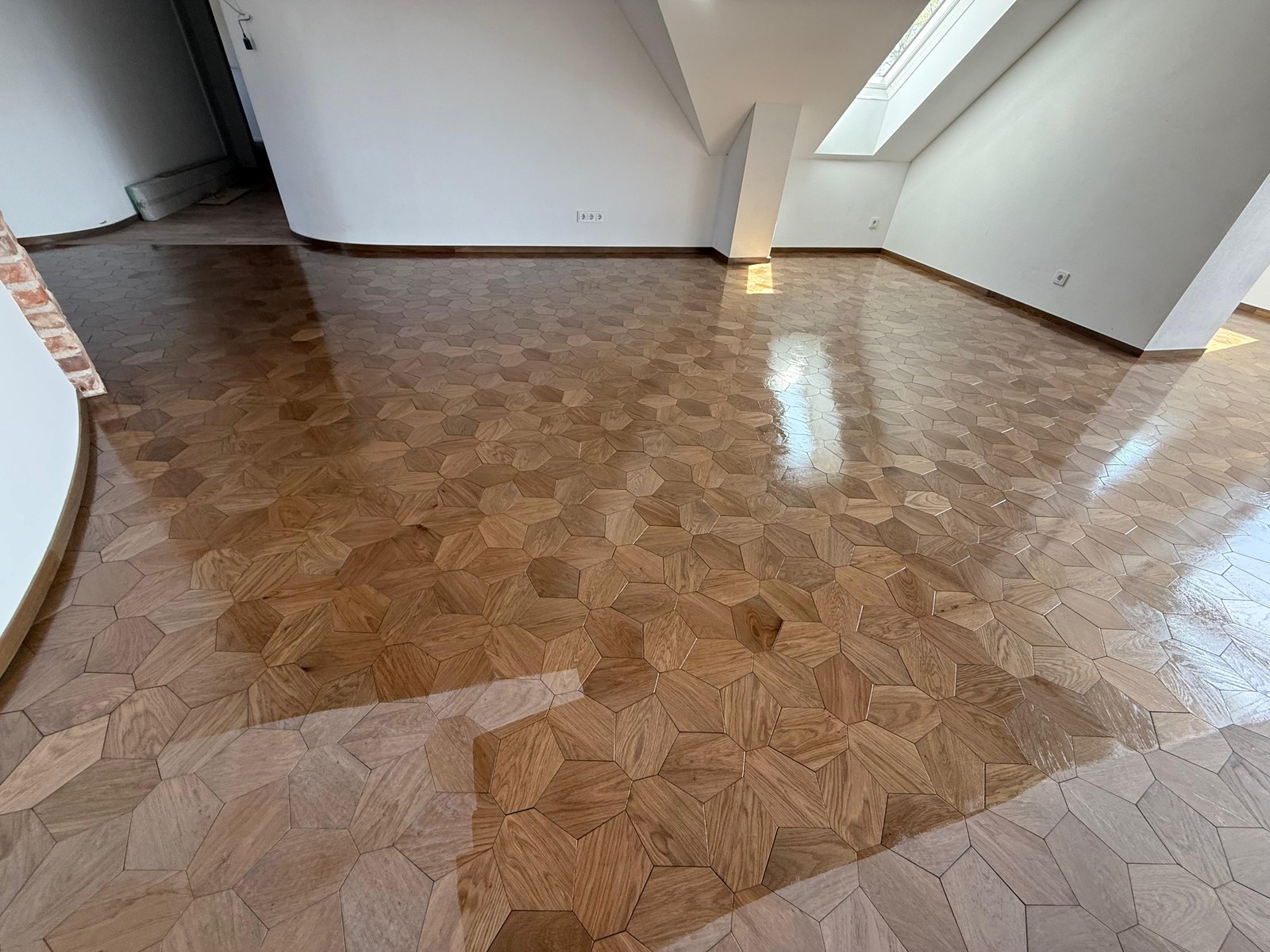
Oil or lacquer in three coats. There is waiting between them, three to five days in all.
It comes down to the wear layer left above the tongue. Solid parquet usually has a reserve for several sandings, engineered floors often for just one. We assess the condition on site and tell you straight.
The machines extract at the disc, so the dust is caught at source. It is not entirely dust-free, but the flat does not have to be cleared and the furniture only needs moving off the floor.
Three to five days for an ordinary flat, depending on the area and the number of finish coats. The surface then needs time to cure before the furniture comes back.
Yes, we replace them with timber of the same species and grain. On older floors we select pieces so that once sanded and oiled the new material cannot be told from the original.

Request a quote
The more you fill in, the more precise our quote — and the less we will have to call. Only name, e-mail and message are required; leave the rest blank if you do not know yet.
Your request has arrived. We will reply within two working days.